California commercial real estate investments are valuable assets, even in a shifting business and economic climate. And, there’s always room for growth. The art of asset appreciation in commercial real estate involves a combination of strategic decision-making, operational improvements, market understanding, and long-term vision.
Any investor serious about growing their commercial property value has to do more than buy the right building at the right price. Consistently implementing strategies that boost value is the only way to increase the asset’s potential over time.
As the California commercial property management experts, Bell Properties has some specific ideas and actionable strategies that lead to asset appreciation and growth. Here’s what we can share with you today.
Mechanics of Asset Appreciation in Commercial Real Estate
How does asset appreciation happen in the commercial real estate market?
As most investors know, asset appreciation refers to the increase in a property’s market value over time. This growth is driven by a variety of factors, both external (market conditions) and internal (property improvements and operational efficiencies).
When the value of commercial real estate increases, owners can either sell it for a profit or refinance it to access equity for further investment opportunities.
In our experience, there are two primary ways a commercial property can appreciate:
Market Appreciation. This occurs when broader economic factors such as rising demand, population growth, or infrastructure development, drive up property values in a specific location. These changes are largely outside an investor’s control, but understanding market trends can help with purchasing in California locations poised for growth.
Forced Appreciation. This is when an investor actively takes steps to increase the value of the property. It typically includes renovations, improved management practices, or other strategies that directly enhance the property’s financial performance and market value. Unlike market appreciation, forced appreciation is largely within the investor’s control.
Even with all of our tools, resources, and expertise, there’s not much we can do about the market. It’s going to behave the way it behaves, and we do our best to remain prepared and agile so our investors can continue to be profitable no matter how the market is performing.
Those forced appreciation strategies, however, and very much within our control. With an active, hands-on approach to boosting asset value, investors make more money.
Enhancing Curb Appeal and Property Aesthetics

First impressions matter, especially in commercial real estate.
Whether we’re talking about office spaces, industrial properties, or retail storefronts, the visual appeal of the property plays a significant role in both attracting tenants and increasing market value. A well-maintained building with a professional, modern look is always more appealing to potential tenants, buyers, and appraisers. Here are some of the actionable tips that will drive the best results when it comes to curb appeal.
Landscaping. Invest in high-quality landscaping to create an inviting environment. A clean, attractive exterior creates a welcoming atmosphere that enhances the overall appeal of the property.
Facade Improvements. Simple changes such as repainting, updating signage, and upgrading lighting can significantly boost the property's exterior look. Consider modern materials and designs that are in line with current trends.
Parking and Accessibility. Ensure that the parking lot is well-lit, organized, and in good repair. Make sure there is easy access to the building, including ramps and proper signage for tenants with disabilities.
Renovations and Upgrades
Renovating a commercial property is one of the most effective ways to increase its value. Business-minded tenants want modern, functional spaces that fit their needs. Outdated interiors, on the other hand, can deter any interest. Choose the most cost-effective upgrades and improvements, such as:
Interior Upgrades. Update things like HVAC systems, plumbing, and electrical infrastructure, as these improvements not only attract tenants but also lower long-term maintenance costs.
Technology Integration. Adding energy-efficient features like smart thermostats, energy-saving lighting, and high-speed internet connections can make the property more attractive to tenants while also increasing its marketability.
Restroom and Kitchen Renovations. Upgrading common areas like restrooms and kitchenettes can have a big impact on the perceived value of the property, especially in office and retail spaces.
These renovations are a clear example of forced appreciation, as they improve both the functionality and aesthetics of the property, ultimately driving up its rental income potential and market value.
Increasing Rent Through Better Tenant Management
Another way to boost the value of any commercial property is to maximize its income potential. The more income a property generates, the more valuable it will be. Efficiently managing tenants, improving lease structures, and adjusting rents to market rates are all ways to increase your property’s value.
Renegotiate Leases. If market rents have increased in the area since the existing current tenants signed their leases, consider renegotiating or letting the lease expire to allow for a rent increase.
Lease Structures. Implementing long-term, triple-net leases (NNN) can reduce operational costs and make the property more attractive to investors. In such a lease, the tenant takes on more of the property’s costs (like taxes, maintenance, and insurance), allowing owners to keep more of the income.
Tenant Retention. A high turnover rate can cost time and money. Strong tenant relationships are important. Address maintenance issues quickly and keep rental rates competitive, all of which can encourage longer-term occupancy and stable rental income.
Professional property management can make a big difference in tenant retention and satisfaction. Consider our team at Bell Properties Commercial Real Estate when looking for ways to upgrade tenant management strategies.
Upgrading Commercial Property Functionality
 Improving the functionality of a commercial property can also lead to significant asset appreciation. A property that offers a versatile, adaptable space is more likely to meet the needs of future tenants, thus commanding higher rents and improving demand in the marketplace.
Space Planning. In a property that has large, underutilized spaces, it might be best to redesign them for better use. For example, breaking up a large office into smaller, flexible workspaces could attract a variety of tenants and increase rental income.
Expansion Opportunities If the zoning laws allow, expanding a property’s footprint can make it more valuable. Whether that means adding another floor, extending the parking lot, or building on unused land, expanding the property can increase both its usable square footage and its overall value.
Environmental Sustainability. Properties that adhere to green building standards (like LEED certification) are increasingly attractive to tenants and investors. Environmental upgrades such as solar panels, energy-efficient windows, and water-saving technologies not only help reduce operating costs but can also increase your building’s long-term value.
Not sure what options might be available for your own commercial property’s functionality? Contact us at Bell Properties Commercial Real Estate, and we’ll evaluate.
Strategic Financing and Refinancing
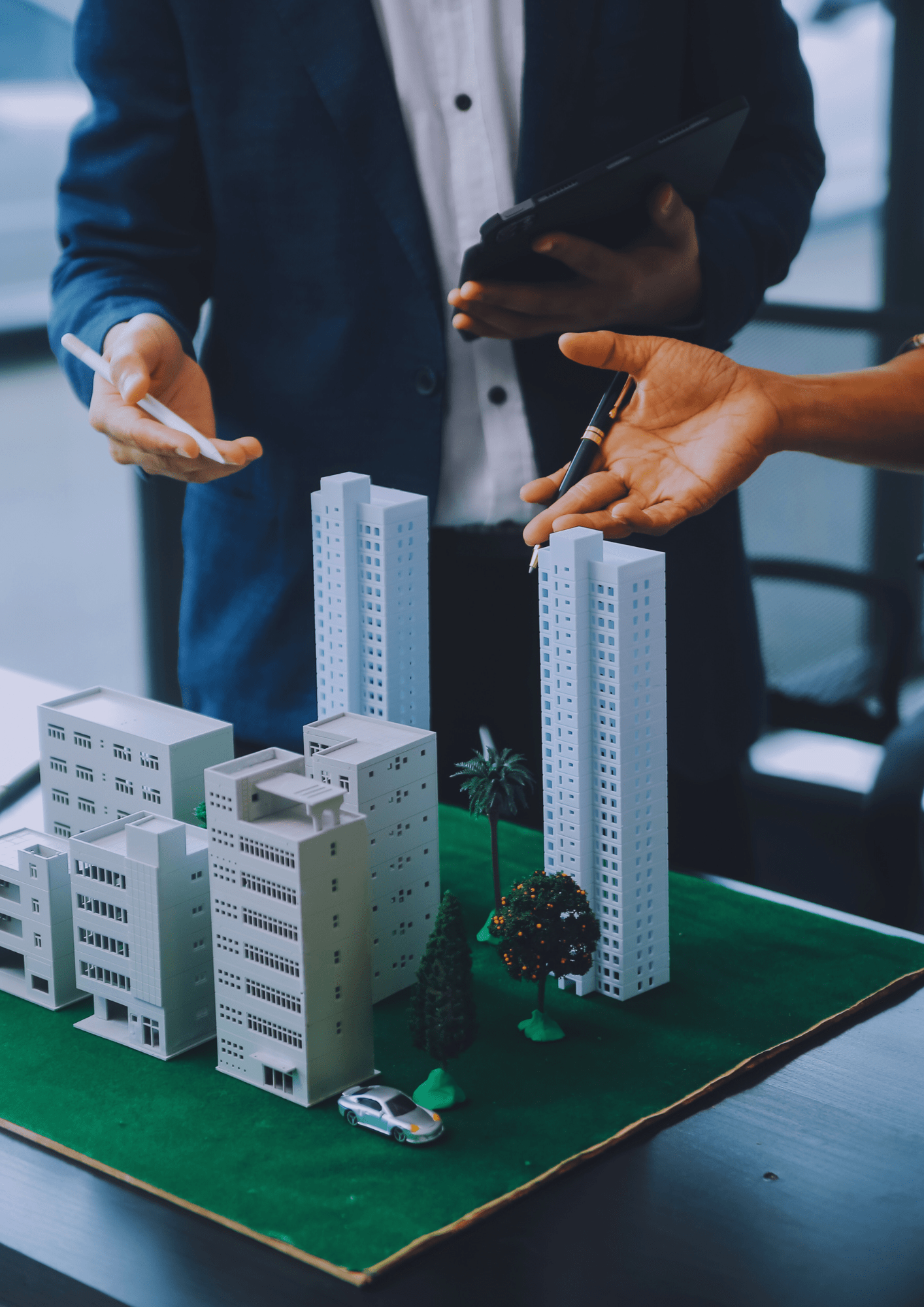 Smart financing is another tool that can help increase the value of commercial property. By securing favorable loan terms, refinancing at a lower rate, or accessing additional capital, investors can access the money that’s needed to invest more in property upgrades, repairs, and improvements, which in turn enhances asset value.
Leverage debt wisely. When there’s significant equity in a property, refinancing at a lower interest rate can free up cash that can be reinvested into the property to fund improvements.
Understanding and Exploiting Market Trends
We said that there’s not much we can do to control the market, and that’s true. But, those market trends are crucial to asset appreciation. Smart commercial real estate investors understand which economic and demographic trends are likely to impact property values.
It’s about making good choices. For example, location is a huge factor in asset appreciation when deciding where to invest. An emerging or high-demand location can lead to significant asset appreciation as the area grows in popularity. Look for signs of urban development, rising business activity, and infrastructure projects.
Target growing sectors, too. Certain industries or sectors may see stronger growth than others. For example, medical offices may experience growth due to demographic trends in a growing retirement area, or industrial warehouses may benefit from the growth of e-commerce.
Understanding these trends can help with acquisition decisions.
Managing Property Efficiently
Strong operational management is a secret weapon. Avoid increased vacancies, higher operating costs, and tenant dissatisfaction with good property management. The things that damage a commercial property’s value can often be the result of ineffective leasing, management, and maintenance. As your property management partner, we’ll be sure properties and portfolios are rising in value.
The art of asset appreciation in commercial real estate isn’t a single strategy that investors can do once. This requires long-term strategic planning and consistent execution. By improving a property’s functionality, aesthetic appeal, tenant management, and market positioning, investors can actively drive its value higher and ensure a greater return on investment.
Commercial real estate in California is an ever-shifting landscape, and while market conditions will always play a role in the value of a property, the ability to execute on these strategies will largely determine how much an investor can increase their asset’s worth over time.
Let’s talk about how to increase the value of your commercial assets. Contact us at Bell Properties Commercial Real Estate.