
Is it better to buy or lease a commercial space for your business?
There’s no single answer to this question, of course. It depends. It depends on a number of factors.
Deciding whether to buy or lease commercial space is one of the biggest strategic choices a California business owner can make. It affects your cash flow, taxes, long-term flexibility, and even the future of your business.
Let’s take a look at what those factors are, so we can help you make a decision about whether you want to buy or lease commercial real estate in the current market.
At a glance:
|
Buying Commercial Space: Benefits and Challenges
Here’s why some California business owners choose to buy a commercial property.
Building Equity and Potential Appreciation
Owning property means putting payments toward an asset that can be sold or borrowed against later. Many commercial owners in California treat their buildings as both operating locations and investment real estate.
Tax Tools and Deductions
Owners can depreciate commercial property, deduct mortgage interest and many operating expenses, and in some cases, use a 1031 like-kind exchange to defer capital gains if they sell and reinvest. These tax advantages can be powerful long-term planning tools.
Predictability of Occupancy Cost
A fixed-rate real estate loan can offer predictable principal and interest payments, while leased rents can escalate with market cycles. For businesses where location is a strategic asset, such as flagship retail or owner-operated manufacturing, ownership reduces the risk of sudden lease non-renewal or rent spikes.
Property Tax Rules
California’s Proposition 13 ties assessed value to the purchase price and limits annual increases to the lesser of inflation or 2%. Properties are reassessed to market value primarily on change of ownership or new construction. For owners, that can create predictable property tax growth compared to other states.
More Control
Owning commercial property allows for control over layout, hours, signage, and tenants. Owning provides the freedom to renovate or sublease. This can be valuable if custom build-outs are needed or growth is anticipated.
There are some downsides to buying commercial property instead of leasing, however. There are high upfront and ongoing costs, for example. Especially in California. Down payments, closing costs, due diligence, insurance, maintenance, capital expenditures, and property management add up.
Liquidity and concentration risk is also real. Real estate assets are valuable and tangible, but they’re not liquid. If cash is needed quickly, selling or refinancing may be slow or costly. There’s additional risk to owning, too, including vacancy risk, tenant issues if you lease space to others, and general management headaches. In California, earthquake mitigation, ADA compliance, and local permitting can be significant obligations.
Leasing Commercial Space in California
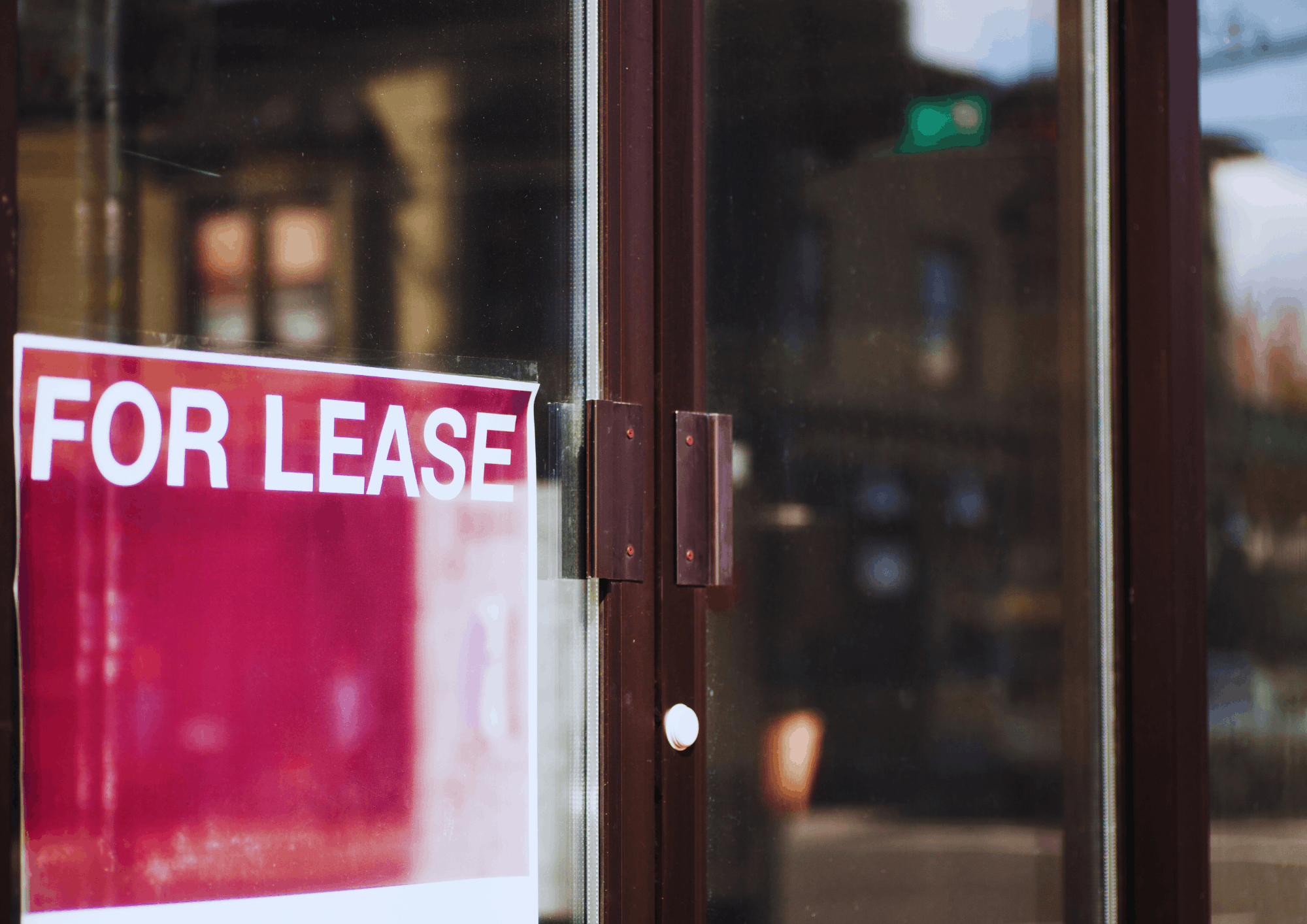
Because of the expense and the risks, many California businesses lease properties instead. Here’s why that might be a good idea:
Lower Upfront Capital Requirement
Leasing typically requires a security deposit and first month’s rent rather than a large down payment, which preserves capital for operations, inventory, or marketing. This is especially attractive for startups and businesses with uncertain futures.
Flexibility and Speed
Holding up business operations while closing a deal can be terrible for a business’s cash flow. Leases allow owners to relocate, expand, or downsize without selling an asset. Shorter-term leases or sublet-friendly agreements let growing businesses test markets or pivot faster.
Reduced Management Burden
Landlords usually handle major building maintenance, structural repairs, property taxes, and sometimes insurance (depending on lease type), freeing owners who lease to focus on running their business.
Budgeting May be Easier
It depends on the lease type, but full-service or gross leases roll many operating costs into rent, making monthly costs easier to forecast (though possibly higher overall). Conversely, NNN leases may have lower base rent but variable pass-throughs for taxes, insurance, and common area maintenance.
Understanding a lease structure is essential.
But what are some of the reasons not to lease a commercial space?
Well, there’s no opportunity to build equity. Rent is an operating expense, and it doesn’t produce a capital asset that can be sold or leveraged. There’s also the exposure to rent escalations and lease renewal risk. This lends some uncertainty to business operations. If a landlord decides to sell, redevelop, or raise rents at renewal, you may face displacement or higher costs.
Business owners who lease often need landlord approval for build-outs, signage, and use changes, which can constrain operations. That lack of control can be frustrating.
Understanding Lease Types
Before deciding whether to buy or lease, it might help to better understand lease types. There are generally three common structures in California commercial real estate.
Triple Net (NNN) Leases. Tenants pay base rent plus property taxes, building insurance, and common area maintenance (the three "nets"). Tenants bear most variable property costs; lease rates are often lower but total occupancy cost can fluctuate.
Modified Gross Leases. This is a split-responsibility model where the landlord covers some items (often property taxes and insurance) and the tenant covers others (utilities, janitorial, or a portion of maintenance).
Full-Service or Gross Lease. Landlords cover most operating costs and charge a higher rent. Predictable monthly cost, but less transparency on how efficiently the landlord manages expenses.
For business owners who decide to lease, ask for some information before signing. It’s important to consider historical operating expense invoices, understand the allocation method for shared expenses, and negotiate caps or audit rights where possible.
Helpful Tax Tips

There are some tax mechanics worth knowing as this decision is made. First, consider depreciation and deductions. Commercial property can be depreciated over 39 years for federal tax purposes (with California adjustments), which generates non-cash deductions that can improve after-tax returns.
Mortgage interest is often deductible for businesses.
There’s also the 1031 Like-Kind Exchange. In this scenario, owners selling an investment property can defer capital gains tax by reinvesting in another like-kind property. It’s an excellent tax strategy and it can help with upgrading into a larger property, but strict identification (45 days) and closing (180 days) rules apply.
For accounting purposes, lease payments are generally deductible as business expenses. Ownership creates depreciation and interest deductions. The accounting and cash-flow profiles differ, so run projections under both scenarios and consult tax counsel.
Own or Lease: A Practical Checklist
If you’re not sure, contact us at Bell Properties Commercial Real Estate to talk about your specific options in your specific location. Until then, use this to test whether buying or leasing fits your situation:
1. Time horizon. Will your business stay in this location for 5–10+ years? If yes, buying becomes more attractive. If not, leasing probably makes sense.
2. Capital availability. Do you have the down payment and reserves for capital expenses, or would that capital produce better returns inside the business? If capital is scarce, lease.
3. Cash-flow tolerance. Can your business handle large periodic capital expenses and operating volatility (ownership) or do you prefer predictable operating expenses (certain lease types)?
4. Control needs. Do you need custom build-outs, long hours, or exterior modifications? Ownership gives more freedom.
5. Risk appetite. Are you comfortable with market, vacancy, and management risk? If not, lease.
6. Tax plan and exit strategy. Do you want to build tax-deferred wealth and possibly use 1031 exchanges later? Buying enables strategies that leasing cannot.
7. Local market conditions. Is the local market appreciating, stable, or declining? Who are likely future tenants? Speak with a local commercial broker for cap rates and vacancy trends.
Negotiating a Lease or a Purchase

If buying a commercial property, get a thorough inspection, attach contingencies for seismic and structural issues, understand local zoning and entitlements, and run projections with conservative rent and expense assumptions if you plan to lease part of the building. Get title insurance and check for liens or easements.
If leasing, negotiate tenant improvement allowances, rent-free periods, renewal options, sublease and assignment rights, expense caps or audit rights for shared costs, and clear definitions of operating expense exclusions. Seek break clauses that align with business milestones if possible.
Some businesses buy their primary location (long-term headquarters or flagship store) and lease satellite locations. Others purchase investment property while leasing the operational space back (sale-leaseback) to free capital. Hybrid strategies can balance liquidity, control, and investment objectives. Consider those, too.
There’s no universal right answer, but there’s a rational choice to be made that’s best for your unique business. As commercial real estate and property management experts in California, we can help you work through the options. Please contact us at Bell Properties Commercial Real Estate.