What does commercial property management in Los Angeles actually mean? What does it look like? Who is doing it well? What do the results look like for owners and investors?
Bell Properties Commercial Real Estate is the local expert on commercial property management in Los Angeles, and we’ve been working on this guide to owning and renting out commercial spaces. Our management leadership and experience allow us to show property owners how tenant relations, lease enforcement, maintenance, and regulatory compliance can create operational complexities that are best addressed by professionals.
Effective property management is the difference between a stable, attractive, and income-producing asset and a constant drain on an owner’s time and capital.
The market is always shifting, and Los Angeles is unique in its ability to attract commercial property owners in retail, office, and industrial spaces. If you’re thinking about investing or looking for ways to enjoy more profitability without adding to your work load, the Bell Properties Commercial Real Estate guide will break down the core components of commercial property management, with a focus on what Los Angeles investors and rental property owners need to know to optimize performance and avoid costly mistakes.
Let’s get into it.
Bell Properties Commercial Real Estate Summary:
|
What Does a Los Angeles Commercial Property Manager Actually Do?
Not all commercial property managers deliver the same level of service. At Bell Properties Commercial Real Estate, we have extremely high standards that lead us towards operating as the asset’s day-to-day decision-maker and strategic asset manager. Our responsibilities go far beyond collecting rent.
The core functions of our commercial property management support include:
Tenant acquisition and retention. Marketing vacant space, negotiating lease terms, and maintaining tenant satisfaction to reduce turnover. We serve as the first point of contact for commercial tenants.
Lease administration. Ensuring compliance with lease terms, managing renewals, enforcing escalation clauses, and handling disputes. We make recommendations about the type of lease that will best protect commercial properties.
Financial management. Budgeting, rent collection, CAM (Common Area Maintenance) reconciliation, financial reporting, and NOI optimization. We generate meaningful and useful financial reports and accounting statements.
Regulatory compliance. Navigating California-specific laws, zoning regulations, ADA compliance, and environmental standards.
Operational oversight. Coordinating maintenance, capital improvements, and vendor relationships.
In Los Angeles, where regulations and tenant expectations are particularly stringent, these responsibilities require both local expertise and operational discipline. That’s what we can deliver at Bell Properties Commercial Real Estate. We know the LA market and we’ve been in the industry for years.
Understanding Property Management Fees
Commercial property management fees are as diverse as the management styles you’ll find around Los Angeles. They vary based on asset type (office, retail, industrial), property size, and service scope. We believe in transparent fees that leave owners with no questions about what’s included and what isn’t.
When it comes to commercial property management in Los Angeles, typical fee structures include:
Base management fee. This is usually from 5% to 10% of gross collected rent.
Leasing fees. These are often 3% to 6% of total lease value or a per-square-foot commission.
Project management fees. For capital improvements or renovations, typically 5% to 10% of project cost.
Maintenance markup. Some managers apply a 5% to 15% markup on vendor services.
While these costs may seem significant, they should be evaluated relative to performance. Our services at Bell Properties Commercial Real Estate increase occupancy, reduce expenses, and improve tenant retention, often offsetting fees through higher net operating income (NOI).
How to Screen Commercial Tenants Effectively

Tenant quality directly impacts property performance. Unlike residential leasing, commercial tenant screening is more analytical and business-oriented. It has to be. Our key evaluation criteria is:
1. Financial strength
We review financial statements such as profit & loss reports as well as balance sheets. We also assess cash flow stability and debt levels.
2. Business viability
It’s important to analyze Industry trends and competitive positioning as well as a potential tenant’s longevity and operational history.
3. Creditworthiness
Business and personal credit checks (especially for smaller tenants) are important in establishing a responsible use of credit and financing.
4. Use compatibility
Our screening looks at alignment with zoning laws and property positioning. We also want a synergy with existing tenants. This is especially important in retail centers.
5. Lease guarantees
Personal guarantees or corporate backing can help us mitigate the risk of renting out a valuable space to a relatively unknown commercial tenant.
In Los Angeles, where vacancy costs are high, placing the wrong tenant can lead to prolonged downtime and legal complications. Professional property management delivered by Bell Properties Commercial Real Estate uses structured underwriting frameworks to reduce this risk.
Maintenance and Vendor Management in Los Angeles Commercial Properties
Maintenance in commercial properties is both reactive and preventative. Poor maintenance policies are bad for aesthetics. Even worse, they can violate lease agreements and local codes.
How do we avoid that? With preventative maintenance programs. We schedule inspections for HVAC, roofing, plumbing, and electrical systems to avoid costly failures. At Bell Properties Commercial Real Estate, we also have excellent vendor relationships in place to secure competitive pricing and reliable service. Our clients benefit from our 24/7 response systems, which address urgent issues quickly to minimize tenant disruption.
We forecast long-term repairs and replacements to stabilize cash flow.
Vendor management is particularly important in Los Angeles due to labor costs and regulatory requirements. We ensure vendors are licensed, insured, and compliant with local standards.
Understanding Commercial Leases
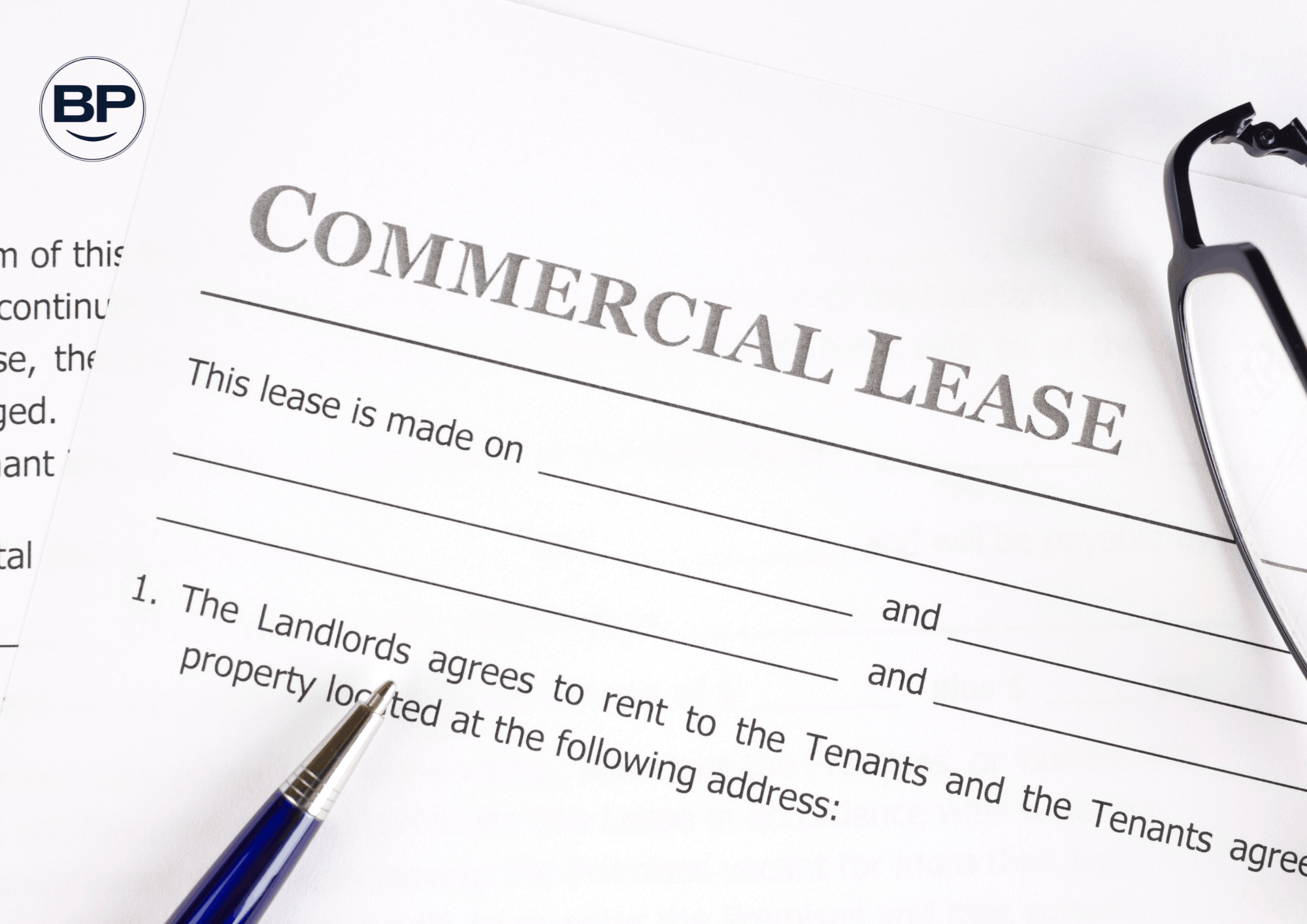
Commercial leases are significantly more complex than residential agreements and are highly customizable. Common lease structures include:
Triple Net (NNN) Lease. Tenant pays rent plus property taxes, insurance, and maintenance.
Gross Lease. Landlord covers most operating expenses; tenant pays a fixed rent.
Modified Gross Lease. Expenses are shared between landlord and tenant.
Not sure which lease expression will be best for your commercial property? That’s where we can help. Contact us at Bell Properties Commercial Real Estate. Our key lease components will always include:
Rent escalations (often tied to CPI or fixed increases)
CAM charges and reconciliation
Tenant improvement (TI) allowances
Use clauses and exclusivity provisions
Renewal options and termination clauses
In Los Angeles, lease language must also reflect local ordinances and evolving regulations. Poorly structured leases can lead to disputes, revenue leakage, or compliance risks.
Common Mistakes and Signs of Mismanagement
Even experienced investors can fall into operational traps. Mismanagement often shows up gradually but has compounding financial consequences. Often, we see bad management mistakes such as:
Underpricing leases. Failing to align rents with market conditions
Deferred maintenance. Ignoring small issues that escalate into major expenses
Weak tenant screening. Prioritizing occupancy over tenant quality
Poor financial tracking. Lack of transparency in income and expense reporting
Ineffective lease enforcement. Allowing tenants to violate terms without consequence
Mistakes are often made by owners who try to self-manage. But we also find professional mis-management, which is why choosing an expert is so important. Signs that management services need to level up include:
Increasing vacancy rates despite strong market demand
Frequent tenant complaints or turnover
Unexpected spikes in operating expenses
Inconsistent or delayed financial reporting
Vendor overcharges or lack of competitive bidding
Identifying these issues early can prevent long-term value loss.
Why Hiring Bell Properties Commercial Real Estate Is a Profitable Move

We deliver some key advantages that all commercial property owners in Los Angeles should know. It begins with revenue optimization. This includes strategic rent pricing and lease structuring to increase income. We also control expenses and operate efficiently, protecting the time of investors.
Risk mitigation is a huge advantage. Compliance with California laws reduces exposure to fines and litigation. Our market expertise delivers local knowledge of Los Angeles submarkets, which supports better decision-making.
Commercial real estate is an operational business, not just a passive investment. Our professional management transforms it into a scalable, performance-driven asset.
Frequently Asked Questions (FAQs)
1. How do I know if I need a property manager?
If you own multiple units, lack time for daily operations, or are unfamiliar with Los Angeles regulations, hiring a manager is typically important.
2. Are property management fees negotiable?
Yes. Fees often vary based on portfolio size, property type, and service scope.
3. How involved should I be if I hire a manager?
You should remain focused on strategic decisions (acquisitions, refinancing) while the manager handles operations.
4. What type of properties benefit most from professional management?
Retail centers, office buildings, and multi-tenant industrial properties see the greatest benefit due to operational complexity.
5. How do property managers handle difficult tenants?
They enforce lease terms, manage disputes, and coordinate legal action if necessary.
We’re taking a deeper look at some of the things we’ve mentioned in this guide in future blog posts. Stay tuned for those, and if you have any questions, please contact us at Bell Properties Commercial Real Estate Management.